If you've ever had a staff polo come back with a rippled logo, a hoodie print that's cracked after two washes, or embroidery with threads already coming loose, you've met one of three defects that turn up again and again in cheap workwear branding. None of them are bad luck — they're all things a proper digitising and production process is specifically built to avoid. Here's what to look for, and what we do differently.
1. Puckering — When The Fabric Ripples Around The Logo
Puckering is when the fabric bunches and ripples around a stitched design instead of lying flat. It happens when stitch density is set too high for the fabric, or when a design meant for a heavy garment gets stitched straight onto something light like a polo or t-shirt without adjusting density, underlay or stabiliser to match. The stitches pull the weave inward as they tighten, and once that's happened, it doesn't press or wash out.
2. Loose Stitching & Thread Breaks
Thread breaks and loose, gappy stitching usually come down to mismatched needle and thread weight, worn needles that haven't been swapped often enough, or a design run straight from a generic file without a test sew-out first. The result is embroidery that looks fine on day one and starts fraying or dropping stitches after a few washes.
3. Cracking & Peeling Vinyl Prints
Vinyl transfers crack or peel when the heat press temperature, pressure or dwell time is off, when a cheaper vinyl film is used, or when the wrong fabric is chosen for a design that doesn't suit it — nylon and some stretch fabrics in particular don't hold vinyl well. Edges are where it usually starts, because they get less even pressure than the centre of a design during pressing.
Why In-House Digitising Eliminates All Three
Every one of these problems starts at the same point: a design or print run that hasn't been properly matched to the actual garment it's going on. That's exactly the step outsourced digitising skips — you send a logo, a factory somewhere else digitises it against a generic template, and it gets stitched or pressed without anyone in the chain seeing the real fabric first.
We digitise every logo ourselves, in-house, against the actual garment it's being applied to. That means stitch density and underlay are set for that specific fabric weight before anything gets sewn — which is what stops puckering. It means we run a test sew-out rather than trusting a file blind, with needle and thread matched to the job — which is what stops loose stitching and thread breaks. And it means vinyl jobs get pressed at the right temperature, pressure and time for that garment, not a one-size-fits-all setting — which is what stops cracking and peeling.
It's free, it's done by us from start to finish, and it's the reason we can put a 48-hour turnaround on jobs without cutting the corners that cause these three problems.
Real Examples From Our Own Work
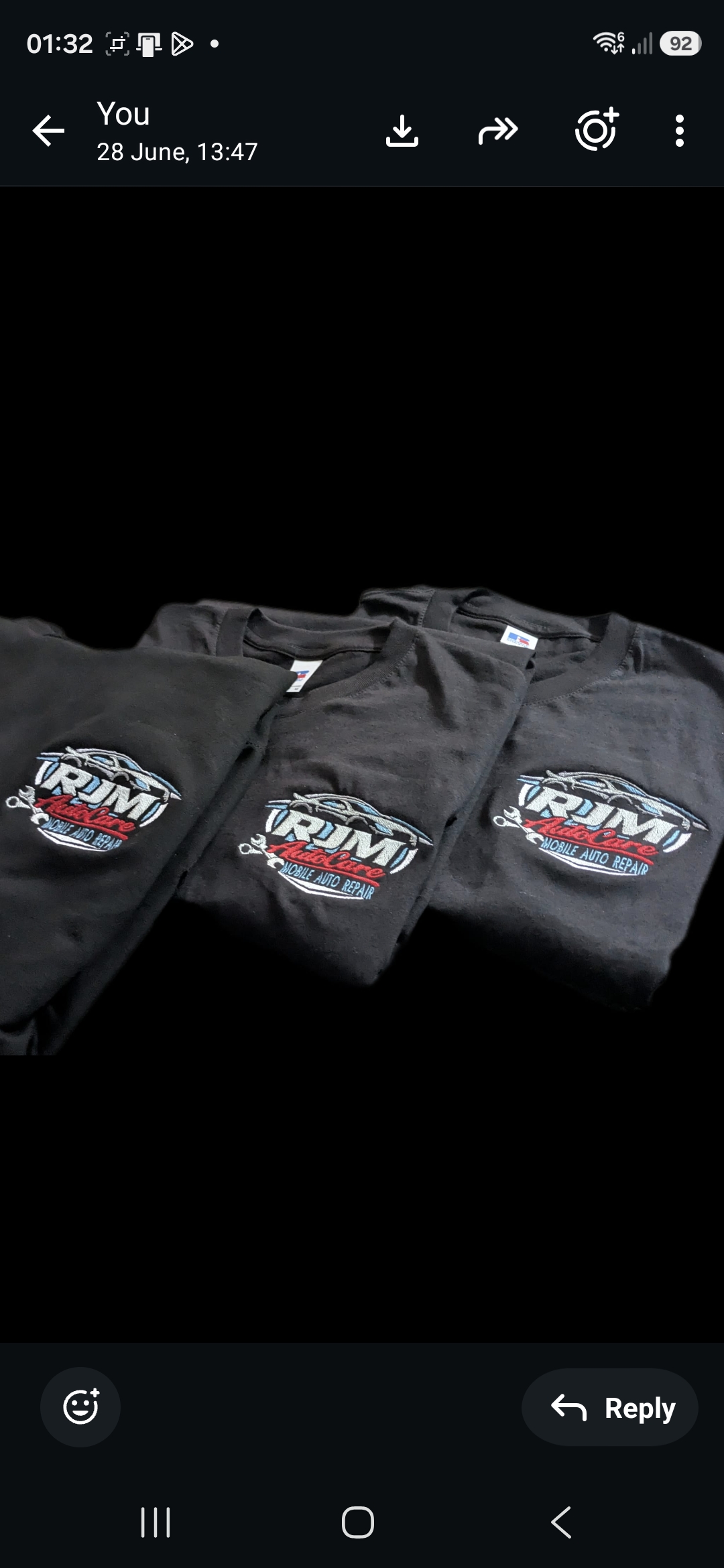
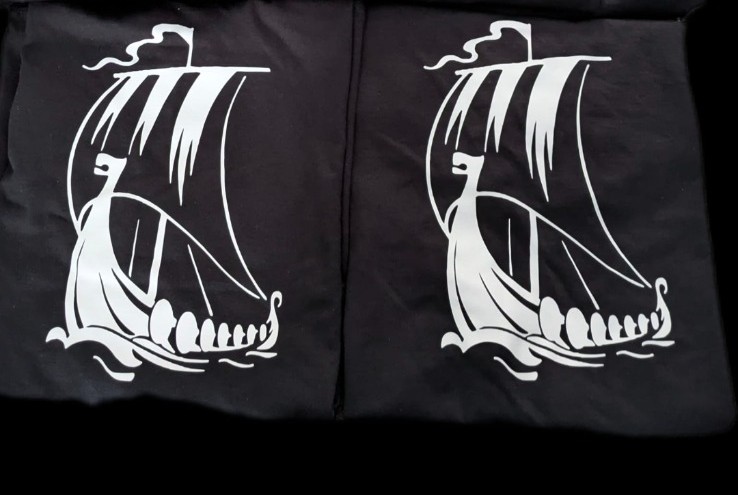
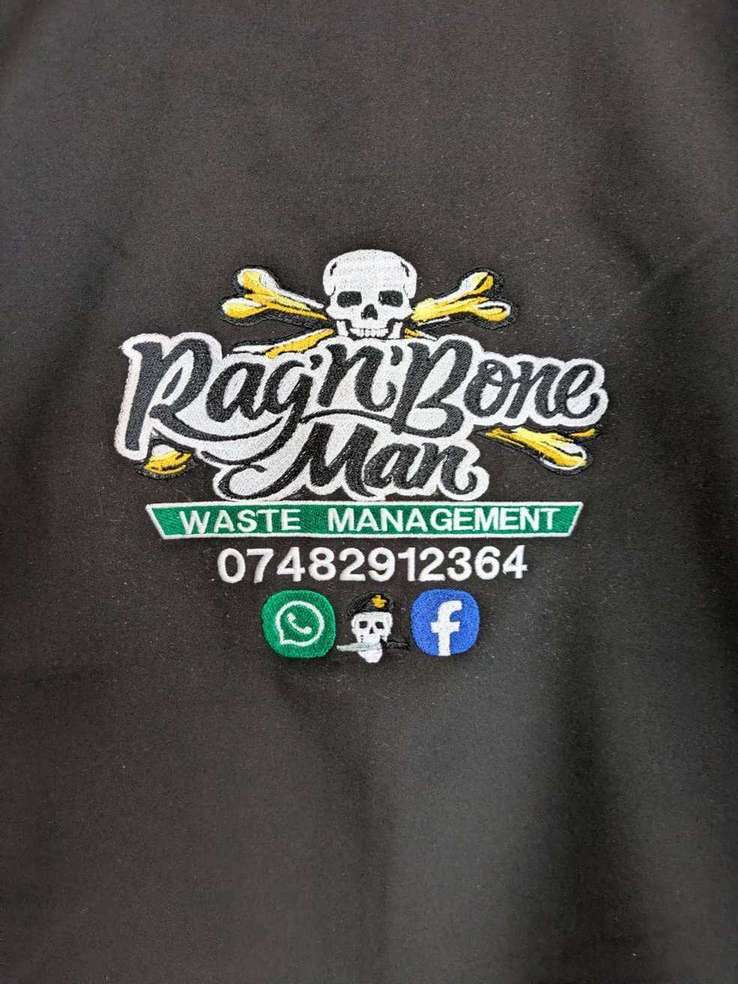
These are real jobs we've delivered — flat, even embroidery and clean vinyl that's held up to wear and washing. We'll be adding direct before/after comparison photos to this series soon.
Further reading on the causes above: Machine Embroidery Digitizing Problems, Heat Transfer Printing Problems & Fixes.